
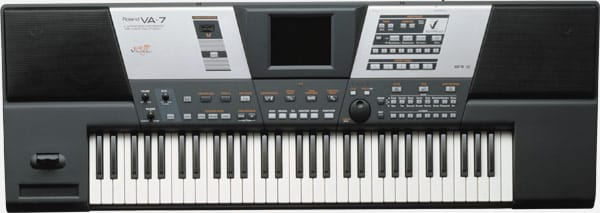
Sometime around 1999-2000, I bought my first real instrument. I had owned many instruments before this one, but this was the first one that felt professional. This was the Roland VA-7. At the time, it was an amazing piece of tech. Especially to 20 year old me.
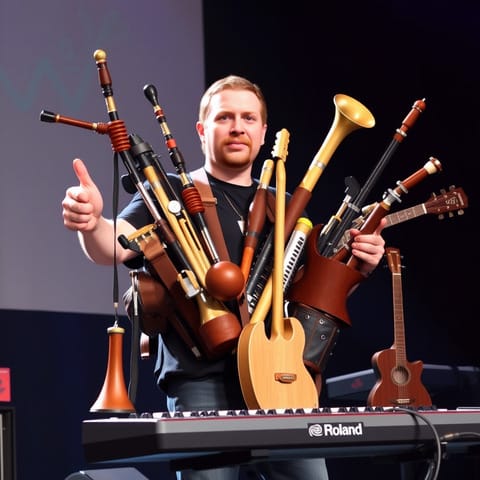
I wanted to learn how to play this thing. Not just what the buttons did, but to actually play it. I wanted to be able to whip out that perfect melody or riff at just the right time. I wanted to be able to produce exactly the sounds I wanted with just a few quick taps. I wanted to appear to have bagpipes in my pockets, or whatever else the situation may call for, to unleash whatever sound I needed at a moment's notice.
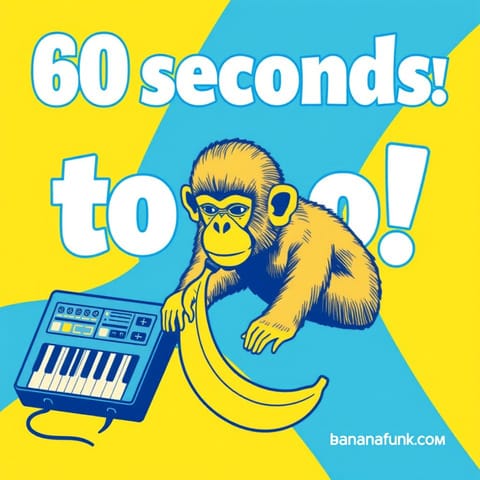
This project was hosted on Bananafunk - an early media sharing website (currently on hiatus) that I made with my friend Matt Rose. Bananafunk is a whole other thing I will cover in another article. All you need to know for now was that it was a website you could make art, upload the art, and share it with others. It would ask you to create a "Vision" to explain what you are trying to do with your project.
Well, to learn how to use my new keyboard, I had decided on a list of constraints. (Taken directly from the project's vision.txt file):
All songs will follow these guidelines:
I..mostly followed them.
The idea was to not get bogged down in post production and mastering (which can easily suck up > 80% of the time while recording). I wasn't interested in the minutia of making everything "perfect", what I wanted was to rapid fire through a ton of different songs and styles to give myself a crash course in how to use this thing.
I would keep anything I wrote, even with mistakes. Always forward, don't get hung up on any one thing. Record for a minute, then go back and add another part. I wouldn't write the parts first, it was all 100% improvised. This usually worked out okay. If you know me, you know I can work off the cuff fairly reliably. Still, there were a few I wasn't happy with. Track 39 failed so hard I re-recorded it, breaking essentially every rule of the project. The original is still present, to keep me honest, I suppose.
The process was the same for each track. I would pick a random instrument from the keyboard's data bank, noodle around for 5-10 seconds or so to get a feel for the sound, and then hit record. Whatever came out is present in the tracks below. After about a minute, I would reset, pick a second instrument at random, and repeat the process. Playing along with my previous output as I recorded the new part. After the second time through a track, I generally had an idea of what I wanted to do with it, so I would start picking out instruments intentionally - laying down a bass line, or drums, or whatever was missing from the song. The track would be considered "complete" once it had a good full sound (or when I got sick of playing it). I don't think I spent more than half an hour on any one song.
Little did I know, this method of music production would serve me very well a decade later when live-looping technology was more widely available. The similarities are myriad. Aside from a few fun short tracks, that is probably the biggest win from this experiment. I would go on to use those skills to make a ton more fun music in later years.
Some of these tracks have stories behind them, some are just random fun. Very few were "about" anything, in the traditional sense. Being tracks without lyrics, they can really be about whatever you want them to be. Except Jen's Spreadsheet. That track will always be about Jen Rose, and the spreadsheet that gave her so much trouble that, when I heard about it third-hand, I just had to write a song about it.
In true Zen fashion, I made it about 80% of the way through, stopping at 48-ish tracks in the initial run. I tried to return to this and do a few more about a year later, thinking I would finish it up, but lost steam pretty quickly. The spark that had ignited this project had already moved on to shinier things.
Some of the riffs/melodies found new homes in other tracks. Some can only be found below. Enjoy!

Member discussion: